A Practical Guide to Meditation
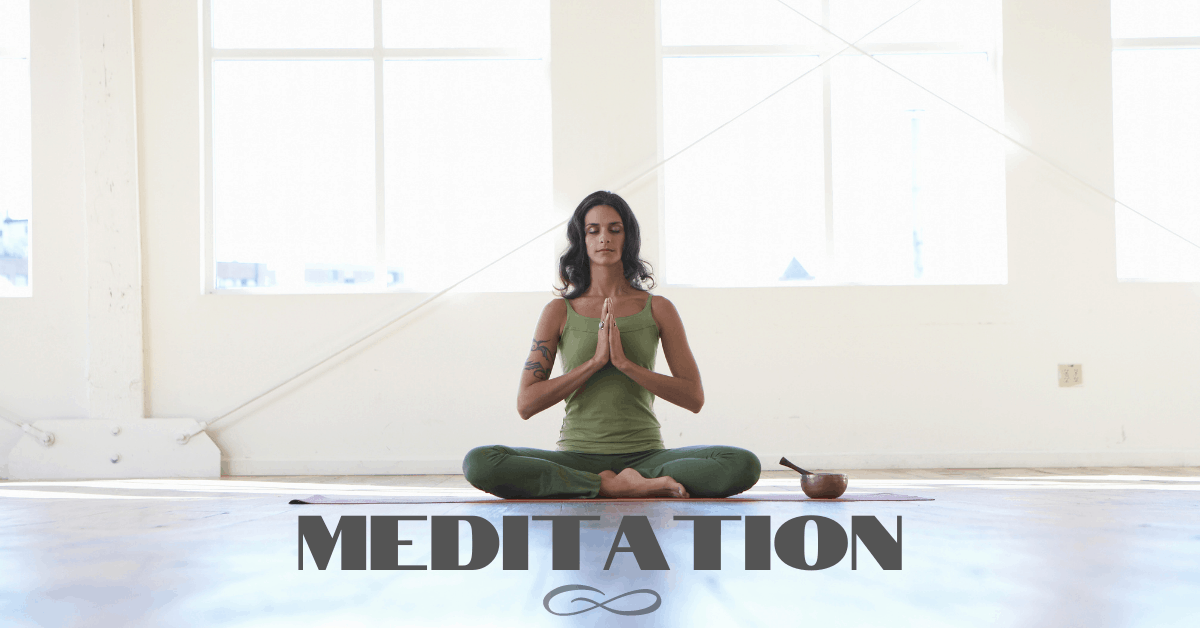
How Can I Get Myself Into Meditation?
Similar to how fitness focuses on training one’s body, meditation is the practice to train one’s mind. There are several different meditation techniques out there. So, how can you really meditate?
As a beginner, it will be tough for someone to sit still for hours or try to achieve an empty mind. There are certain tools you can try using like a beginner meditation DVD or perhaps a brain-sensing headband that helps with this process towards the beginning stage of meditation. Generally, meditating involves focusing on one’s breath. For instance, concentration is one of the common approaches to meditation.
The Many Benefits of Meditation
If not the goal, relaxation is often the byproduct of meditation. Herbert Benson, a Harvard University Medical School researcher from the 1970s, conducted research on individuals who often practiced transcendental meditation, hence inventing the term “relaxation response.” According to him, the relaxation response is an involuntary and opposite response, which results in reduced activity within the sympathetic nervous system. Therefore, further studies about the relaxation response have concluded several short-term benefits of the nervous system. These benefits are as follows:
- Reduced blood pressure.
- Better blood circulation.
- Less perspiration.
- Lower heart rate.
- Less anxiety.
- Slower respiratory rate.
- Reduced stress.
- Greater feelings of well-being.
- Lower blood cortisol levels.
- Deeper relaxation.
Many present-day researchers are now focusing on potential long-term benefits of mediation, and observing the positive effects it could have on the brain and the immune function. However, it should be noted that the goal of meditation isn’t to gain any benefits. As an Eastern philosopher once said that mediation has no goal, except to just be present.
According to Buddhist philosophy, the main benefit of meditation is to free the mind from things it is unable to control, for instance deep internal emotions or any external situation. A person who has been meditating for a long time does not feel the need to follow certain desires or hold on to certain experiences. They will just achieve a sort of inner harmony and a calm mind.
Types of Meditation
Concentration Meditation
This style of meditation focuses on a single point. This usually includes following one’s breath, focusing on a candle flame, repeating a mantra or a word, listening to a gong, counting beads from a mala, and so on. Keeping a focus within one’s mind is a challenging process; hence, a beginner tends to meditate for a couple of minutes and can work up to a longer duration.
Moreover, this meditation form involves you refocusing your awareness on the object you chose every time you feel your mind wandering. Instead of following your random thought, you just focus on letting them go. Your concentration will get better through this process.
Mindfulness Meditation
This meditation technique encourages the person to pay attention to the wandering thoughts once they start drifting through one’s mind. The main purpose is to not mingle with these thoughts or even judge them, but to simply recognize that these thoughts are there.
Through mindfulness meditation, you get to see how these feelings and thoughts move in certain patterns. With more practice, you will be able to judge a certain experience as pleasant or unpleasant, hence, your inner balance will start to develop. In certain meditation schools, students practice both mindfulness and concentration together. Depending on the teacher, a lot of the disciplines require stillness, to a lesser or greater degree.
Further Meditation Techniques
Mindfulness and concentration aren’t the only meditation techniques out there. For instance, Buddhist monks often practice a daily meditation technique whose main focus is the development of compassion. This technique involves reimagining unpleasant events into a more positive light through compassion. Moreover, you can also try some moving meditation techniques like qigong, tai chi, and even walking mediation.
How To Meditate As A Beginner
This meditation exercise is the ideal introduction to certain meditation techniques that a beginner can try.
1. Lie down or sit in a comfortable position. You might even want to get a meditation cushion or chair.
2. Close your eyes. Experts recommend getting a restorative eye pillow or a cooling eye mask, if lying down.
3. Simply breathe naturally and do not control your breathing.
4. Keep your attention on your breath. Focus on how your body moves when you inhale and exhale. Notice how your body moves when you breathe. Observe your shoulders, chest, belly, and rib cage. Simply pay attention to your breath and don’t attempt to control its intensity or pace. Whenever you feel like your mind is wandering, come back to your breathing and keep your focus there.
Try this meditation practice for about three minutes. Slowly increase the time as you get used to this.